Paying off your IRS or California FTB tax debt is a huge win—but let’s be honest, it’s just the beginning. Clearing your balance doesn’t automatically reset your financial slate. Lingering tax liens, penalties, or credit dings can still make life tricky, especially if you’re trying to qualify for a loan, buy a home, or start fresh financially.
The good news? You can rebuild your credit, remove IRS or FTB liens, and set yourself up for a strong financial comeback in 2025. I’ve helped plenty of clients in Los Angeles do just that, and I’ll walk you through how to get there—step by step.
Why Rebuilding Credit Matters After Tax Debt
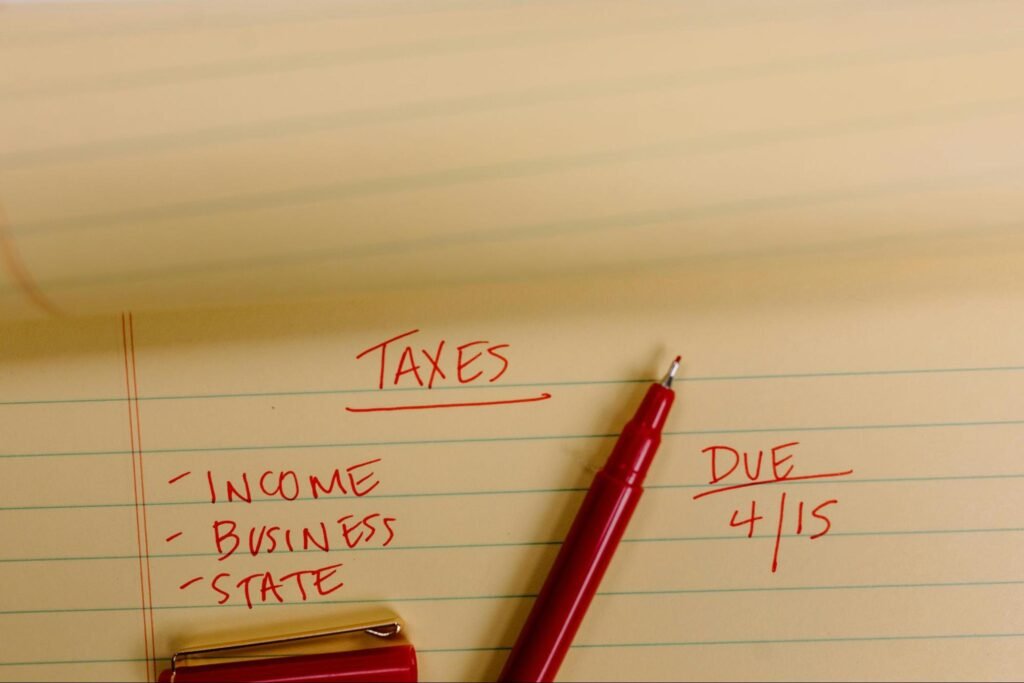
Getting out of tax debt is a relief, but the financial impact often sticks around longer than you expect. Even if your credit score doesn’t directly reflect tax liens anymore, lenders and landlords still see them in public records—and they do take notice.
- IRS Tax Liens: Once filed, a federal tax lien becomes public record. It won’t show up on your credit report, but mortgage lenders or employers can still find it.(1)
- FTB Tax Liens: Same goes for the California Franchise Tax Board. These liens attach to property and can make you look like a financial risk even after the debt’s paid.(2)
Rebuilding credit is about more than numbers—it’s about rewriting your financial story and proving you’re back in control.
Step 1: Conduct a Financial Post-Mortem

Before you start rebuilding, take a good look at how you ended up in tax debt in the first place. No shame here—it happens to people from all walks of life.
Maybe you lost income unexpectedly, got hit with medical bills, or just didn’t realize how much you owed in estimated taxes. The IRS has been cracking down on nonpayment, and penalties can pile up fast.(3)
Take this as your learning moment. Figure out what went wrong—missed payments, under-withholding, bad bookkeeping—and fix the root cause. Set up automatic payments, track expenses, or get a bookkeeper to help you stay organized.
Pro Tip: Awareness is your strongest defense against another tax mess.
Step 2: Resolve Remaining Tax Issues
Even after you’ve paid your balance, unresolved issues like liens or penalties can still hold you back.
For IRS Liens
If your debt’s fully paid or you’re in a good payment plan, you can apply for a lien withdrawal using Form 12277 (Application for Withdrawal of Filed Notice of Federal Tax Lien). Once it’s approved, that line disappears from public record, which helps you rebuild faster.
For FTB Liens
In California, request a lien release once your balance is cleared or you’ve made consistent payments. If penalties are unfair or excessive, your tax professional can help you apply for penalty abatement or negotiate better repayment terms.
Pro Tip: Having someone who knows the system—like my team here at America Tax Group—can make the process way smoother and faster.
Step 3: Check and Repair Your Credit Reports
After clearing your debts, check that your credit reports reflect the updates. Mistakes happen, and they can quietly drag down your score.
Request free reports from Equifax, Experian, and TransUnion, then double-check that:
- Paid or withdrawn tax debts are updated correctly
- No duplicate or outdated collections remain
- All personal info and account details are accurate
If something’s off, file a dispute right away. Most errors can be fixed in 30–45 days—and that can give your score a quick bump.
Step 4: Build a Forward-Looking Budget
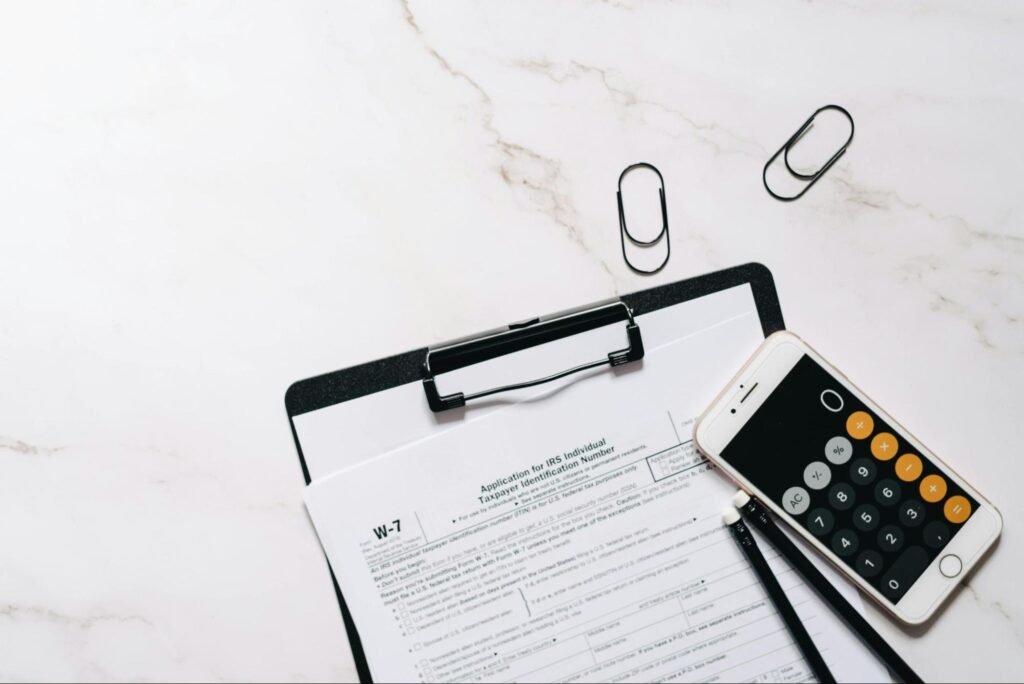
Budgeting isn’t about restriction—it’s about control. A simple system like the 50/30/20 rule works great:
- 50% for essentials (housing, food, utilities)
- 30% for lifestyle wants (dining out, hobbies)
- 20% for savings or debt repayment
Also, start setting aside money for upcoming taxes if you’re self-employed or work freelance. That one move alone can save you from falling back into FTB or IRS trouble.
Step 5: Repair and Rebuild Your Credit Score
Improving your credit score is a slow climb—but it’s worth every step. Focus on three fundamentals:
- On-Time Payments: Never miss a due date. Automate bills when possible.
- Credit Utilization: Keep balances below 30% of your credit limit.
- Positive Credit History: Consider a secured credit card or small credit-builder loan to show consistent payments.
Check your score monthly and celebrate progress—it’s a great motivator to stay consistent.
Step 6: Revamp Your Tax Strategy
Avoiding future tax problems starts with better planning now.
If you’re a W-2 employee, review your Form W-4 each year to ensure the right amount is being withheld. Use the IRS Tax Withholding Estimator—it’s a free tool that can save you a ton of headache.
If you’re self-employed, pay quarterly estimates, keep a separate account for taxes, and track every deductible expense. It’s the easiest way to stay compliant and stress-free.
Pro Tip: Working with a tax advisor can help you uncover deductions you might miss and stay on top of compliance year-round.
Step 7: Plan Long-Term Investments and Financial Growth
Once you’ve stabilized, shift from damage control to building wealth. Here’s how:
- Max out your 401(k) if your employer offers a match—it’s free money.
- Contribute to a Roth IRA for long-term, tax-free growth.
- Set up automatic investments into index funds or ETFs, even small amounts.
Building wealth is a marathon, not a sprint. But you’ll thank yourself later for starting now.
Why Professional Guidance Matters

Dealing with IRS or FTB debt isn’t just paperwork—it’s strategy. From negotiating Offers in Compromise to getting liens withdrawn, one mistake can delay your financial recovery for months.
That’s where my team at America Tax Group steps in. We help clients rebuild credit, remove liens, reduce penalties, and design smart tax strategies that actually last.
If you’re serious about turning your 2025 into a clean slate, professional support can make all the difference.
Conclusion
Rebuilding after tax debt isn’t about perfection—it’s about progress. You’ve already done the hard part by facing your debt. Now, it’s time to take control of your financial future.
With steady budgeting, smart credit habits, and the right guidance, you can rebuild your credit, remove IRS or FTB liens, and walk confidently into your next chapter.
📞 Contact America Tax Group today to start your 2025 financial reset with expert support and peace of mind.
Frequently Asked Questions (FAQs)
Q1: How do I rebuild credit after tax debt?
Start by paying all bills on time, keeping credit balances low, checking reports regularly, and setting up a budget that works. Professional help can also speed up lien removals or debt recovery.
Q2: Can I remove an IRS lien after paying off my taxes?
Yes. You can request a lien withdrawal using Form 12277 once your debt is fully paid or under a qualifying payment plan.
Q3: How can I recover from FTB debt in California?
Pay your balance, request a lien release, and explore options like penalty abatement or installment agreements with the help of a tax expert.
Q4: What does a 2025 financial reset mean?
It means rebuilding your credit, fixing past issues, creating a budget, optimizing taxes, and building long-term financial security.
Q5: Do I need a professional to handle IRS or FTB issues?
Not always—but it’s highly recommended. A tax professional ensures everything’s accurate, helps prevent delays, and maximizes your relief options.