If you’ve ever opened a letter from the California Franchise Tax Board (FTB) and felt your heart drop, you’re not alone. I’ve seen it countless times — hardworking people across Los Angeles blindsided by unexpected FTB notices. Maybe it’s from a missed filing, maybe an old balance that grew with interest. Either way, that envelope can feel like a punch to the gut.
But here’s the truth: California gives you real options to fix it. From the Offer in Compromise (OIC) to disaster relief programs, the FTB actually has systems designed to help you get back on track — not crush you under the weight of your debt. Let’s break it all down in plain English, so you know exactly how to move forward.
What Is the FTB Offer in Compromise (OIC)?

The FTB Offer in Compromise lets you settle your final, non-disputed state tax debt for less than the full amount you owe. Think of it as California’s way of saying, “If you truly can’t pay everything, let’s find a fair middle ground.”
This isn’t a loophole or a trick — it’s a legitimate relief tool for people who’ve hit financial hardship or whose assets and income just can’t cover the total balance. When approved, you get to resolve your debt for a fraction of the original amount and finally breathe again.
Who Qualifies (and Who Doesn’t)
I tell my clients this all the time: the FTB isn’t unreasonable — but they are thorough. Here’s what they look for when deciding whether to accept your offer:
- You’ve filed all your California tax returns.
- The debt is final and undisputed (no active appeals).
- Your finances clearly show that paying in full isn’t realistic.
- You’ve explored other options like a payment plan first.
If you meet those boxes and can back it up with solid documentation, you’ve got a shot. A well-prepared offer can save you thousands — sometimes tens of thousands — in back taxes.
What the FTB Reviews Before Saying Yes

When the FTB reviews your Offer in Compromise, they don’t just glance at your balance. They’ll dig into your:
- Ability to pay — your current and future income potential.
- Assets and equity — how much you could access if you sold or refinanced something.
- Life changes — expected shifts in income or expenses.
They basically ask, “Can this person really pay more if we press them?” That’s why transparency matters. The more honest and complete your financial details, the better your odds of getting approved.
How to Apply for an FTB Offer in Compromise (OIC)
You’ve got two ways to apply: online or by mail — whichever you prefer.
Online:
- Log into your MyFTB account (or create one).
- Navigate to “Submit an Offer in Compromise” under Services.
- Upload your financial documents and complete the application.
By Mail:
- Individuals use Form 4905PIT (Offer in Compromise Booklet for Individuals).
- Businesses use Form 4905BE.
- If your debt spans multiple state agencies, use Form DE 999CA (Multi-Agency OIC).
Make sure everything you send is accurate and organized. A sloppy or incomplete application is the fastest way to get denied.
What to Expect During the FTB Offer in Compromise (OIC) Process
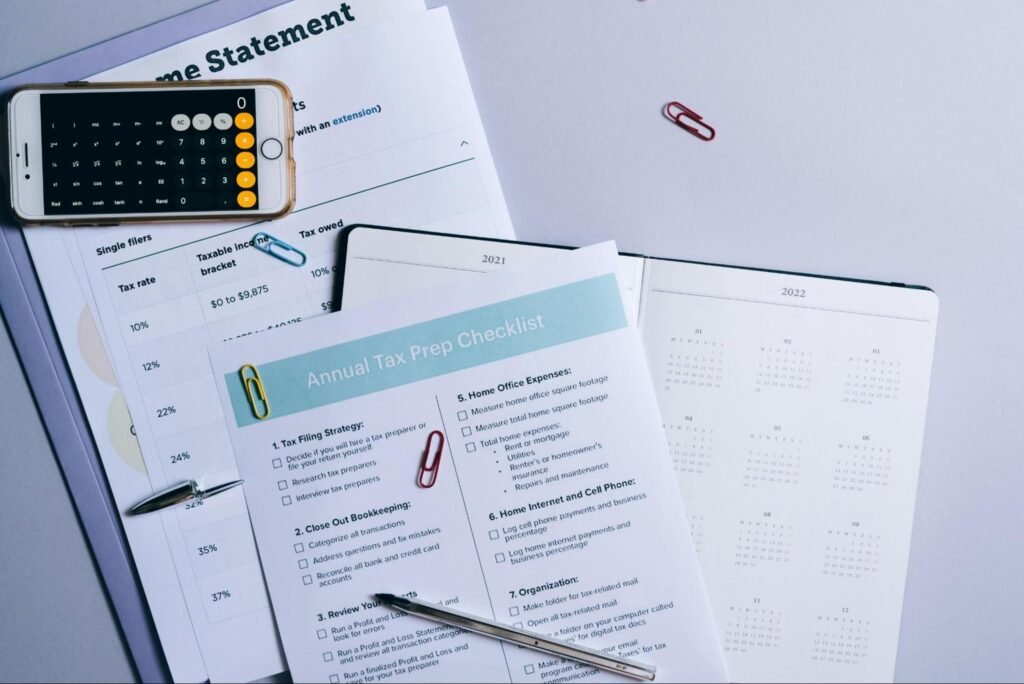
Here’s how the process typically plays out:
- Acknowledgment: You’ll usually get a confirmation within 2–4 weeks.
- Review: Expect 4–6 months for most cases, though complex ones can take longer.
- Collections: The FTB generally pauses new collection actions during review. Existing liens might stay put, but no new levies usually occur.
- Collateral Agreements: In some cases, if your income jumps later, you might owe a portion of that future income.
💡 Pro tip: Keep in touch. Respond quickly if the FTB asks for updates — silence kills progress faster than anything.
Other Ways to Manage Your FTB Debt
An Offer in Compromise isn’t always the right fit. Sometimes, other options make more sense depending on your financial situation.
1. FTB Payment Plan:
If you can make steady payments, the FTB will let you spread your debt out over time. Interest keeps adding up, but it’s better than facing wage garnishments or levies.
2. Temporary Financial Hardship (Currently Not Collectible):
If paying anything right now would create serious financial strain, you can ask the FTB to pause collections temporarily. Interest still runs, but it gives you breathing room.
3. Taxpayer Advocate Services (TAS):
TAS is an independent department within the FTB that helps when you’re stuck — delays, hardship, unfair treatment, you name it. They can intervene, escalate your case, or request pauses on collection actions.
💡 Pro tip: Working with a licensed California tax professional — like my team at America Tax Group — often makes the process smoother. We handle the back-and-forth, prepare your financials correctly, and make sure your case gets taken seriously.
Disaster Relief for California Taxpayers
If you’ve been hit by wildfires, floods, or earthquakes in Los Angeles County, the FTB provides disaster relief options to ease your tax burden.
You may qualify if your home or business is in a state or federally declared disaster area. Relief usually includes extended deadlines for filing and payments — and in some cases, special deductions for losses.
How to Apply:
- For paper filings, write the disaster name (e.g., “LA County Wildfires”) clearly on top of your return.
- For e-filings, use your tax software’s disaster relief selection.
You can also:
- Claim a disaster loss deduction on your California return.
- Request free copies of damaged or lost tax documents.
- Ask for a temporary pause on your installment plan while you recover.
💡 Tip: Keep solid documentation — insurance claims, repair estimates, and receipts. These help back up your relief claim if the FTB asks for proof later.
Smart Tips for Managing FTB Debt
- Stay Organized: Keep tax records, income statements, and bank documents handy. You’ll need them for any relief program.
- Explore Every Option: Compare OIC, payment plans, and hardship relief to find what truly fits your finances.
- Act Fast: The longer you wait, the more penalties and interest stack up.
- Get Professional Help: Don’t go it alone. A tax professional can turn a stressful situation into a manageable one.
If you’re unsure where to start, that’s exactly what we do at America Tax Group. We help Los Angeles taxpayers resolve FTB debt, negotiate settlements, and deal directly with the state — so you can focus on rebuilding your peace of mind.
Conclusion
Dealing with the FTB can feel intimidating, but remember: there’s a way out. Whether it’s through an Offer in Compromise, payment plan, or disaster relief, California gives you real options to start fresh.
And you don’t have to do it alone. With the right strategy — and the right team — you can settle your debt, protect your assets, and finally move forward.
📞 Call America Tax Group today to explore your options and start your path toward financial peace of mind.
FAQs
1. What is the California FTB Offer in Compromise?
It’s a settlement that allows qualifying taxpayers to resolve final, undisputed tax debt for less than the full amount owed.
2. Who qualifies for an OIC?
You must have all returns filed, agree on the balance owed, and show genuine financial hardship that prevents full payment.
3. Can I set up a payment plan instead?
Yes. The FTB offers monthly payment plans for taxpayers who can afford smaller installments over time.
4. How do I apply for FTB disaster relief?
If you live or operate in a declared disaster zone, note the disaster name (like “LA County Fires”) on your return or e-file selection. You may qualify for extensions or deductions.
5. How long does the OIC process take?
Expect an acknowledgment in about 2–4 weeks and a decision in roughly 4–6 months, depending on complexity.
6. Does the FTB stop collections while my OIC is reviewed?
Usually, yes. The FTB pauses new collection actions during review, though existing liens might remain.
7. Can I include multiple years of debt in one OIC?
Yes, as long as all those years’ balances are finalized and undisputed.